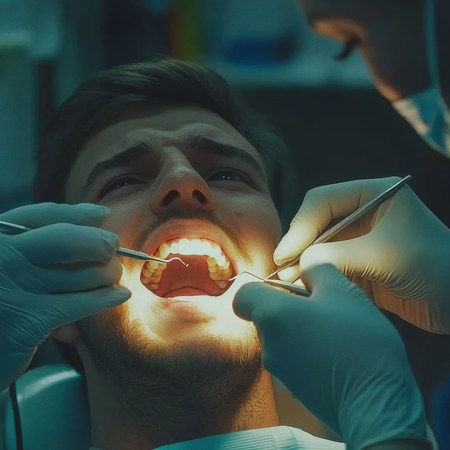
Riverside Smiles is here to help.
A dental emergency can happen when you least expect it. Whether it's a sudden toothache, a chipped tooth, a knocked-out tooth, or swelling around your gums, knowing what to do can make a significant difference in protecting your oral health.
While some dental problems can wait for a regular appointment, others require prompt attention to prevent further damage, infection, or even tooth loss.
At Riverside Smiles in Leesburg, VA, we understand that dental emergencies can be stressful and sometimes painful. We will make the time to see you as soon as possible. Our goal is to help you understand common dental emergencies, what steps to take before reaching the dentist, and when to seek immediate care.
A Dental Emergency is any problem involving your teeth, gums, or surrounding oral structures that requires prompt professional attention.
Some common dental emergencies include:
Not every dental problem requires an emergency visit, but it is always best to contact your dentist if you are unsure.
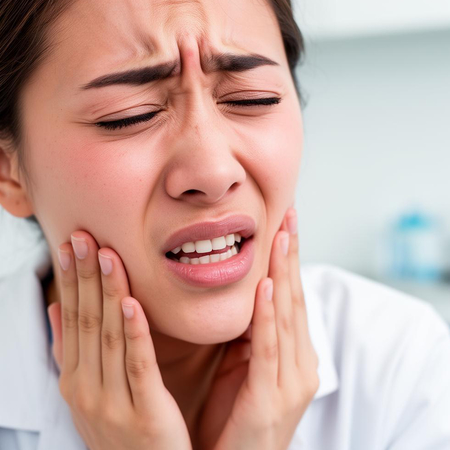
A sudden or persistent toothache can be a sign of underlying dental problems such as tooth decay, an infection, a cracked tooth, or inflammation of the dental pulp (the nerve inside your tooth).
When to see a dentist: Contact your dentist promptly, especially if the pain is severe, persistent, or accompanied by swelling or fever. Tooth pain rarely resolves permanently without addressing the underlying cause.
A tooth can crack or break from biting something hard, an accident, sports injuries, or even nighttime teeth grinding.
Depending on the extent of the damage, a broken tooth may cause sensitivity, pain when biting, or exposure of the inner tooth structure.
When to see a dentist: Contact your dentist as soon as possible. Even a small crack can extend deeper into the tooth and compromise its long-term health. Treatment may involve bonding, a dental crown, or root canal therapy, depending on the extent of the damage.
A knocked-out permanent tooth is one of the most time-sensitive dental emergencies. Acting quickly can significantly improve the chances of saving the tooth.
Important: Time matters! A knocked-out permanent tooth has the best chance of successful reimplantation when treated within 30 minutes.
A baby tooth should never be reinserted because doing so can damage the developing permanent tooth underneath.
A dental abscess is a localized collection of pus caused by a bacterial infection. It can develop around the root of a tooth or in the surrounding gum tissue.
Signs of a dental infection may include:
Contact your dentist immediately. A dental abscess requires professional treatment and will not resolve simply by taking pain medication or antibiotics alone. Treatment may involve draining the infection, root canal therapy, or extraction, depending on the source.
Important: Facial or neck swelling accompanied by difficulty breathing or swallowing requires immediate emergency medical attention. Call 911.
A lost filling or crown can expose sensitive tooth structure and leave the tooth vulnerable to further damage.
You may notice sensitivity to hot, cold, or sweet foods, discomfort when chewing, or a rough edge on the affected tooth.
When to see a dentist: Contact your dentist promptly. Even if there is no pain, the exposed tooth may be vulnerable to fracture or additional decay.
Bleeding gums can sometimes be caused by brushing too aggressively or minor irritation. However, persistent bleeding, significant swelling, or spontaneous gum bleeding may indicate periodontal (gum) disease, infection, or trauma.
If bleeding is heavy, uncontrolled, or follows a significant injury, seek emergency medical care.
Accidental bites, falls, sports injuries, and other trauma can cause cuts or injuries to the soft tissues inside your mouth.
Seek immediate medical attention if bleeding does not stop with pressure, the injury is deep or extensive, or there is concern about a serious facial injury.
Not every dental emergency requires a hospital visit. However, certain symptoms may indicate a more serious medical condition.
Go to the nearest emergency department or call 911 if you experience:
For most tooth-related emergencies, contacting your dentist is the best first step.
Although not all dental emergencies can be prevented, taking a few precautions can significantly reduce your risk.
Dental emergencies can be uncomfortable, frightening, and disruptive to your daily life. Knowing how to respond and seeking timely professional care can make all the difference in protecting your smile.
At Riverside Smiles, we believe in providing compassionate, comprehensive dental care with a focus on your comfort and long-term oral health. Whether you are experiencing a toothache, have a broken tooth, or are concerned about a possible dental infection, our team is here to help guide you toward the appropriate care.
If you are experiencing a dental emergency in Leesburg, Ashburn, or the surrounding Loudoun County communities, contact Riverside Smiles as soon as possible. We will help assess your situation and determine the next steps for your care.
Don't wait until a small dental problem becomes a bigger one. Your smile deserves prompt attention and thoughtful care.
Book Here